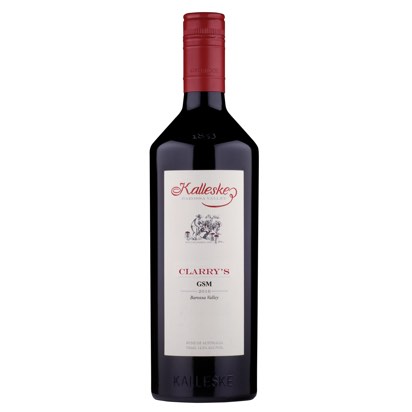


The Kalleske Clarry's GSM is a bright, medium-bodied red blend from the Barossa Valley, South Australia, crafted from certified organic and biodynamic estate vineyards to deliver a fresh, fruit-forward, and un-oaked style.
- Aromas: The nose is lifted and highly perfumed, bursting with ripe raspberry, dark cherry, and blueberry, alongside hints of fresh liquorice, sweet spice, and white pepper.
- Palate: The palate is juicy and rounded, packed with plush red berry and plum flavours, balanced by a soft, approachable mouthfeel and smooth, gentle tannins that lead to a clean finish.
- Style: This is a fresh, modern, and crowd-pleasing Grenache Shiraz Mataro blend that intentionally avoids any oak contact to highlight maximum fruit purity and easy drinkability.
- Winemaking: Sourced entirely from the Kalleske estate vineyard, the parcels are wild-fermented separately in traditional open fermenters before being blended and bottled early to lock in freshness.
- Cellaring: It is purposefully designed for immediate, youthful enjoyment while the primary fruit is at its most vibrant, but it will comfortably hold for 2 to 4 years.
- Food Pairing: An incredibly versatile food wine that matches perfectly with gourmet burgers, wood-fired pizzas, casual barbecues, or mild Asian stir-fries.
Easy-going red that skips heavy oak to focus entirely on juicy, bright fruit. The blend is completely spot on, keeping the wine incredibly soft, approachable, and effortless to drink. It is the ultimate bottle to pull out for a casual mid-week pizza night or a relaxed weekend lunch with friends.
Kalleske
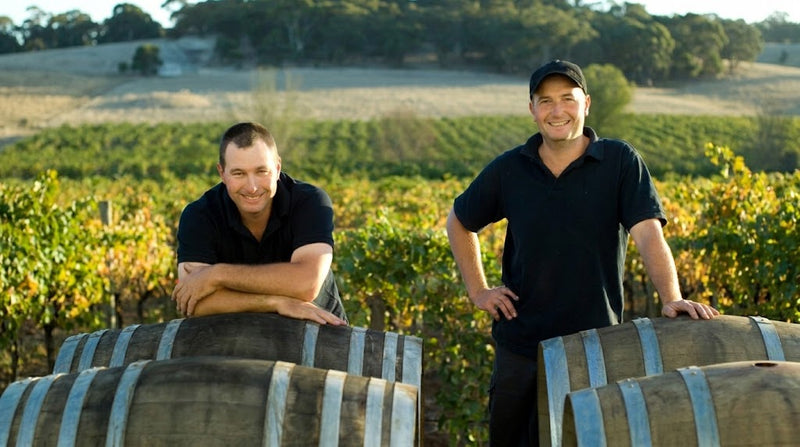
The Kalleske family have been farming the land near the Barossa Valley village of Greenock since 1853 — making them one of the region's most deeply rooted grape-growing families. Their reputation as growers is such that they were among the select few chosen to supply fruit for Penfolds Grange, one of the world's most celebrated wines.
In 2002, seventh-generation brothers Troy and Tony took the next step — establishing the Kalleske winery and earning certification as both an organic and biodynamic producer. Their philosophy is one of genuine stewardship: not simply maintaining the land, but actively improving it for the generations that will follow.
Since their first release in 2004, Kalleske has built a swift and well-deserved reputation for handcrafted wines of exceptional quality — the natural expression of over 170 years of farming the same Barossa soil.
"Among the select few chosen to supply fruit for Penfolds Grange — a testament to over 170 years of Barossa farming."